Most people toss a used razor blade without thinking twice. It’s small, light, and seems harmless compared with a glass bottle or a dead laptop battery. Yet those tiny slivers of steel add up, and when you multiply them across months and years, the waste feels unnecessary, especially when many blades are fully recyclable if handled safely. I have managed wet shaving workshops and fielded a lot of questions about where all those double edge razor blades go, how to handle a straight razor or a Shavette without creating a hazard, and what to do with disposable razors that can’t be disassembled. The short version: steel blades can and should be recycled, but there’s a right way to store, transport, and hand them off.
This guide focuses on practical, evidence-based methods for recycling razor blades from safety razors, single blade razors, and systems like the Henson razor or Merkur 34C, while also addressing edge cases like travel, apartment living, and areas without robust municipal programs. If you use a shaving brush, a puck of shaving soap, or a can of foam, the products you choose also affect waste, but the sharp metal is where the safety and environmental stakes sit highest.
Why razor blades belong in the recycling conversation
Traditional double edge razor blades are made of stainless or carbon steel. Steel is infinitely recyclable, and scrap steel is a major feedstock for new steel. A single blade weighs about 1.5 to 2 grams. If you shave three times a week and change a blade every five to seven shaves, that’s 50 to 70 blades per year, or roughly 100 to 140 grams of steel. Multiply by a household and you are at a kilogram every few years. In scrap terms, that’s not huge, but it’s clean, high-quality metal that can go back into the loop. More importantly, improperly discarded blades pose a real risk to sanitation workers and anyone handling waste. Tape helps but isn’t a fail-safe; a rigid container designed for sharps is better.
On the disposable razor side, things get messy. Most disposables combine a steel edge with mixed plastics and rubber, sometimes with lubricating strips. Those composites are difficult to recycle in conventional curbside streams. Some specialty mail-back programs exist, but they rely on careful sorting and a logistics chain that can break down. If you want easy recycling, a safety razor with separate safety razor blades is the most straightforward path.
The basic principle: treat used blades as sharps
Hospitals use rigid sharps containers because puncture injuries lead to infections. The same logic applies at home, even though household blades are clean by comparison. A used double edge razor blade from a Merkur 34C or a Henson shaving setup is still sharp enough to cut a trash bag and a hand. The safest practice is to deposit each blade into a dedicated metal tin immediately after use. Avoid flimsy plastic that can crack. A small steel blade bank, an empty mints tin, or a purpose-built razor blade bank all work. When full, the sealed tin goes to metal recycling or https://franciscoylfx175.raidersfanteamshop.com/safety-razor-blades-for-coarse-beards-top-picks-and-techniques a sharps program depending on your local rules.
If your razor of choice is a straight razor, you don’t have a blade to toss because you hone and strop and keep it in service for years. That is the sustainability gold standard in shaving: no blade waste, only maintenance. A Shavette sits between a straight and a safety razor; it uses half of a double edge blade or a proprietary single blade insert. Treat those inserts as sharps just like DE blades.
How to set up a safe home blade bank
In my own bathroom, I keep a small, magnetic-lid steel tin behind the mirror. The magnet keeps the lid from popping open if it falls. I cut a narrow slot in the lid to accept a double edge razor blade but not fingers. The tin holds a few hundred blades, enough for several years.
A dedicated blade bank from a shaving brand does the same thing with a tidy footprint. Many buyers of Henson shaving kits, including Henson shaving Canada customers, purchase the brand’s compact aluminum razor stand and a steel blade bank to match the Henson razor’s minimal design. If you prefer a classic safety razor like the Merkur 34C or a vintage Gillette, a generic blade bank does the job just as well. For those who travel frequently, a travel-size screw-top spice tin can serve as a portable bank, but put a bit of foam inside so the blades don’t rattle.
Before you toss the tin in the metal bin or take it to a drop-off location, tape the slot closed. The goal is containment. Sanitation staff should never come in contact with loose razor blades.
Local rules and why curbside recycling is inconsistent
It surprises people when I tell them that two cities in the same state can have different answers for razor blades. Some curbside programs accept small metal items if they are in a sealed metal container. Others prohibit all sharps, full stop. The difference stems from sorting technology and worker safety policies. Magnet-based sorters can grab steel, but they are designed around larger pieces, not slivers that slip through screens. A sealed tin improves capture rates, but not every facility is willing to risk it.
Call your municipality’s waste office, check their website, or use their waste lookup tool. Search for “razor blades” and “sharps.” You’ll likely see one of three policies: accept sealed blades as metal, accept blades only at a household hazardous waste event, or prohibit blades entirely and direct you to a pharmacy or clinic’s sharps program. When the answer is unclear, I contact the program directly. A 2-minute phone call beats guessing.
If you live in a building with a private hauler, your property manager may have their own rules. A quick conversation in the lobby can prevent confusion, especially if the building uses chutes that can shred bags and scatter contents.
What to do with the tin when it’s full
Drop-off is usually more reliable than curbside. Scrap yards and community recycling centers tend to accept sealed blade banks with other ferrous metal. I have walked in with a coffee can full of blades and left with a nod from the attendant. Some ask you to label the can “used blades” and tape it shut, which makes sense.
Pharmacies that accept sharps will often take blade banks too, although policies vary. I have had success with independent pharmacies more than big chains, but that may be regional.
Mail-back programs exist for both medical sharps and mixed personal care waste. If you are already returning items through a program that handles double edge razor blades or disposable razor heads, add your blade bank to the box if the provider allows it. Read the fine print. Some programs focus on plastics and can’t handle metal sharps.
Safety razors, double edge blades, and the best recycling outcomes
If you shave with a safety razor, your environmental options are the strongest. Double edge razor blades are pure or nearly pure steel. Brands vary slightly in alloy and coatings, but those vanish in the melt. Whether you favor Feather, Astra, or a house-branded blade from a shaving supplier, the recycling pathway is the same.
The design of the razor matters for comfort and technique, not for disposal. A Henson razor clamps the blade rigidly, which some users find safer and more forgiving. A Merkur 34C is a mild, reliable workhorse with decades of fans. Vintage razors and modern CNC-machined options all use standard safety razor blades. The common denominator is a blade you can drop into your tin after a week of shaves, then send off as metal. In my experience, this is the simplest closed loop a home shaver can maintain, short of moving to a straight razor.
If you use a single blade razor that takes injector blades or artist club blades, the same logic applies: bank them as sharps and recycle the sealed bank where accepted. Those blades are larger and slightly heavier, which makes capture at sorting facilities marginally better.
Handling Shavette inserts and straight razor maintenance
A Shavette uses half-blades or proprietary inserts. Snap a double edge blade in its paper wrapper to create two halves. After use, both halves go straight into your bank. I warn beginners not to throw halves in a bathroom trash lined with a thin bag. Even inside a wad of tissue, a half-blade can slice a bag like butter.
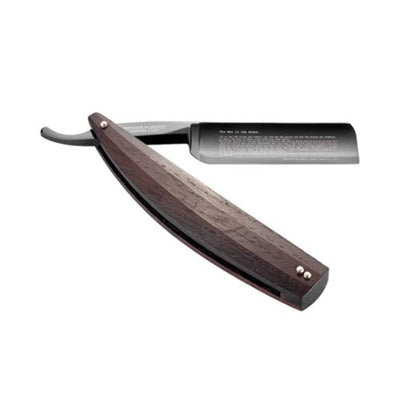
Straight razors create no blade waste, but they require skill, a strop, and periodic honing. The trade-off is time. For those who appreciate ritual, a straight razor paired with a good shaving brush and a firm shaving soap routine delivers a lifetime of low-waste shaving. I maintain a couple of straights and keep a Shavette for travel when I don’t want to pack a strop. That mix covers most situations and keeps the blade waste down to a handful of half-blades per trip.
The tricky case of disposable razors and cartridge systems
Mixed-material razors are hard to disassemble without risk. The head contains small steel strips, microfins, rubber, and several plastics. Even if you separate the steel, it is tiny and contaminated with adhesives. Some companies operate take-back programs for cartridges and disposable razor handles. They grind, wash, and reprocess components into composite lumber or other products. The moral here is not that disposables are evil, but that they require a logistical chain you don’t control.
If you prefer a cartridge for convenience, look for a mail-back program with a clear end-of-life summary and third-party handling. Label and store used cartridges in a rigid container before mailing, the same sharps logic applies. If you are curious about switching, a mild safety razor like the Merkur 34C or a precisely machined Henson can replicate cartridge smoothness with fewer passes, and your blade waste becomes easy to recycle. A short trial period of three to four weeks gives your technique time to settle. Many people never look back.
Blade coatings, rust, and storage between shaves
Some blades are coated with PTFE or platinum to smooth the first few shaves. The coating is microns thin and burns off during cutting. It doesn’t change recycling outcomes. Rust, on the other hand, can appear if you leave a blade wet. A rusty blade still recycles, but it is easier to handle a dry blade. After shaving, loosen the razor head, rinse the blade under hot water, and let it air-dry on a towel before reassembling the razor, or pat it dry carefully by pressing, not wiping. When the edge feels tuggy, swap it and bank the old one.
In humid bathrooms, a silica gel packet in your cabinet helps. Storing the razor outside the shower also preserves the edge. Those small habits stretch blade life, meaning fewer blades used and fewer trips to your recycling center.
Travel, gyms, and short-term rentals
Gyms and hotels rarely have a plan for razor blade recycling. I carry a pocket blade bank when traveling for work and put used blades there, not in the hotel bin. If I forget the tin, an empty mint tin or even a small, empty aluminum lip balm tub becomes a temporary bank. On long trips, I tape the tin’s seam and put it in my checked bag. If you travel with a safety razor, remember that the TSA in the US prohibits loose razor blades in carry-on. Pack blades in checked luggage, or use a cartridge while traveling and return to double edge razor blades at home.
In shared spaces, like coworking showers or Airbnb bathrooms, don’t leave used blades anywhere out of your control. One careless toss can ruin trust and cause injury. Treat those settings as pack-in-pack-out.
Where cigar accessories and bathrooms intersect
People are inventive. I have seen used blades stored in old cigar tubes because they are metal, compact, and seal well. If you are already into cigar accessories, a spare aluminum tube with a screw cap becomes a sleek micro-bank. Mark it clearly so nobody mistakes it for something else. The smooth interior walls make depositing and later emptying the contents into a larger bank simple. The tube can then be recycled with the blades inside, but confirm with your recycler that a small sealed metal cylinder is acceptable. Some facilities prefer a flatter tin.
The role of your shaving setup in reducing waste
Eco-friendly disposal is more than the end-of-life moment. The tools you choose determine the frequency and complexity of disposal. A well-made safety razor, whether it’s a Henson razor with aerospace machining or a classic three-piece, lasts decades. A shaving brush eliminates pressurized cans in favor of concentrated shaving soap that comes in recyclable tins or paper. I have pucks that last six months, and the tins stack neatly for reuse. An edge razor system with proprietary cartridges ties you to plastic-heavy components, while a double edge razor relies on a simple, thin steel blade.
Technique matters too. A light touch and a proper angle extend blade life. So does softening your beard with warm water and a quality lather. I have doubled blade longevity by taking two minutes to build a richer lather and by resisting the urge to chase a baby-smooth finish on the third pass. Fewer passes equal less wear on the edge.
Common mistakes that derail recycling
The most frequent error is tossing loose blades in the trash or the blue bin. The second is using a plastic bottle as a blade bank. Plastic can crack, especially after exposure to bathroom heat cycles. A metal container is safer and more acceptable at metal facilities. People also forget to label the container. A bold marker note, “Used razor blades,” plus tape across the slot saves someone a surprise later.
Another mistake is assuming a single answer fits all locations. Even within Canada, I have seen Henson shaving Canada customers in one province happily recycle sealed blade banks at depots, while another province directs all sharps to hazardous waste events only. Check once, then re-check if you move.
A simple, safe workflow that works in most places
- Place a dedicated metal blade bank or tin within reach of your shave area. Deposit each used blade immediately. When the tin is full, tape the opening shut and label it. Contact your local recycler or waste authority to confirm the preferred drop-off. For disposables or cartridges, store used heads in a rigid container and use authorized mail-back or drop-off programs if available.
This routine is dull in the best way. After a few weeks, it becomes automatic.
How many blades fit in a typical bank, and when to retire it
A standard mint tin holds roughly 150 to 200 double edge blades, depending on how they stack. Purpose-built banks vary, but most list capacities around 100 to 300 blades. Weight is a better guide than count. When the tin feels densely heavy, seal it. Don’t squeeze a few more in. A blade slipping out at the wrong moment is not worth the extra two weeks of capacity.
For half-blades used in a Shavette, assume the same capacity. Half-blades tend to nest tightly, but their sharp corners make the container feel full earlier.
Dealing with rusted tins, accidental spills, and cleanup
If moisture enters the tin and blades rust together, the mass still recycles. Do not pry apart stuck blades by hand. Seal the tin and proceed with your normal drop-off plan. If you drop a blade that slides under a cabinet, use a magnet on a string to fish it out, not your fingers. For a spill, a small handheld magnet is a surprisingly effective broom. A magnet also keeps a safe distance between your hands and sharp edges while you corral the mess.
What barbershops and salons do differently
Professional shops handle more volume and usually follow local sharps regulations, sometimes using medical-grade containers. Some barbers using a Shavette for hygiene reasons deposit each half-blade into a red sharps box and contract with a medical waste service for pickup. If you run a shop, your health department likely requires that protocol. For home users, that level of service is overkill, but the principle of rigid, labeled containment stands.
Addressing common questions
People ask whether they should wrap each blade in tape or paper before banking. You can, but it is unnecessary if you use a rigid metal bank. Wrapping adds time and adhesive residue that can complicate recycling. They also ask if blade coatings contaminate metal recycling. In the minuscule amounts present, coatings burn off. For cartridge systems, the concern is plastic contamination, which is why mail-back programs handle disassembly.
Another frequent question: is there a best brand for recycling? From a disposal standpoint, any standard double edge razor blades behave the same. Choose based on shave quality, not recyclability. If a Henson or a Merkur 34C gives you consistent shaves with fewer passes, that indirectly reduces waste by extending blade life. Being comfortable with your tool leads to fewer mistakes and less temptation to treat blades as consumables to be burned through.
Building a low-waste shave from end to end
Ritual is part of the appeal of wet shaving. Warm water, a shaving brush blooming in the bowl, a bar of shaving soap with a clean ingredient list, a solid metal safety razor in the hand. That ritual is already lower-waste than multi-blade plastic systems. The final piece is a tidy blade bank that sees you through a year or two, then heads to a recycler. Add a barber’s towel instead of paper towels, an alum block instead of styptic pencils encased in plastic, and a glass bottle aftershave. I track my waste not to be puritanical, but because small habits compound. The average shaver can reduce bathroom trash volume by a noticeable margin in the first month.
If you prefer an edge razor or a specific brand, stay with what works and adapt. A Shavette can be recycled blade by blade just as easily as a double edge setup. A straight razor turns maintenance into the main act. The goal is not performative purity but durable, safe practices.
The bottom line
Razor blades are a manageable waste stream if you respect their sharpness and the realities of local recycling. Use a metal blade bank, keep it within reach, and deposit blades immediately. Confirm your disposal path once, then follow it consistently. For most people with safety razors or single blade razors, that means dropping a sealed tin at a metal recycler or a sharps-accepting pharmacy. Cartridges and disposable razor heads complicate things, so use mail-back programs when available or consider moving to a system with simpler end-of-life handling. Whether your daily driver is a Henson razor, a Merkur 34C, a vintage straight razor, or a Shavette, responsible disposal is straightforward and safe when you build it into the routine.